Expanded Polystyrene Panels: The Smarter Way to Build Faster Without Compromising Performance

Building a home, office, warehouse, or commercial space is no longer just about creating strong walls. Today, people also want projects that finish on time, save money, and stay comfortable for years. That is why Expanded Polystyrene Panels have become a preferred choice for many modern construction projects. They offer a practical way to build faster while still delivering the strength, comfort, and energy efficiency that today's buildings demand.

Why Speed Matters More Than Ever
Construction delays are expensive.
Every extra day on a project means more labor costs, equipment expenses, and unexpected challenges. Weather delays, material shortages, and complicated construction methods can quickly push a project beyond its planned budget.
Builders today are constantly looking for smarter methods that help them complete projects without cutting corners. Faster construction doesn't mean sacrificing quality anymore. With modern building systems, both speed and performance can go hand in hand.
This shift is changing the way architects, contractors, and developers think about construction.
A Better Approach to Modern Construction
Traditional construction methods often require multiple materials, longer installation times, and larger workforces.
Modern panel systems simplify the entire process.
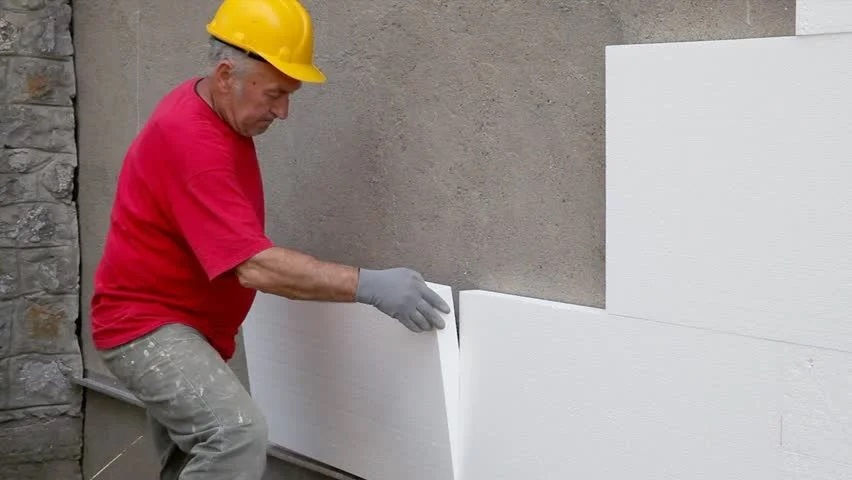
Instead of assembling several layers separately, builders can install ready-made panels that reduce installation time while maintaining structural performance. Since these panels are lightweight, moving them around the site becomes much easier, reducing physical effort for workers.
The result is a cleaner, more organized construction process with fewer delays.
Faster Installation Means Faster Project Completion
One of the biggest advantages of modern insulated panel systems is the speed of installation.
Large sections can be installed quickly, allowing teams to complete walls and partitions in much less time compared to conventional methods.
This creates several benefits:
Shorter construction schedules
Lower labor costs
Less equipment usage
Faster project handover
Better productivity on-site
For commercial developers, finishing a project earlier can also mean earning rental income sooner or opening operations without unnecessary delays.
Lightweight Materials Make Work Easier
Heavy construction materials often require more workers, larger lifting equipment, and additional transportation costs.
Lightweight panels reduce many of these challenges.
Workers can handle installation more comfortably, which also improves efficiency throughout the project. Easier transportation means fewer logistics issues, especially for projects located in crowded cities or remote areas.
When materials are easier to move and install, the entire workflow becomes smoother.
Strong Performance That Lasts
Speed is important, but durability matters just as much.
No one wants a building that develops problems after just a few years.
Modern insulated panel systems are designed to provide long-term stability when installed correctly. They resist moisture better than many traditional materials, helping reduce the chances of damage caused by damp conditions.
Their consistent structure also helps maintain reliable performance throughout different seasons.
For building owners, this means fewer maintenance concerns over time.
Better Temperature Control Every Season
Walking into a building that stays comfortable throughout the year makes a noticeable difference.
Good insulation helps reduce heat entering during summer while slowing heat loss during winter.
This creates several everyday advantages:
More comfortable indoor spaces
Reduced dependence on heating and cooling systems
Lower electricity consumption
Better energy efficiency
Improved working and living conditions
As energy prices continue to rise, better insulation has become more valuable than ever.
Helps Reduce Long-Term Costs
Many people only focus on the initial construction budget.
However, smart building decisions should also consider future expenses.
Buildings with efficient insulation often require less energy for temperature control. Lower utility bills over many years can create significant savings.
Maintenance costs may also remain lower because quality panel systems are designed for durability and stable performance.
A slightly smarter investment during construction can continue delivering value long after the building is complete.
Suitable for Many Types of Projects
One reason these modern panels have become increasingly popular is their versatility.
They can be used across many different industries and building types, including:
Residential homes
Commercial buildings
Warehouses
Industrial facilities
Educational institutions
Healthcare buildings
Cold storage facilities
Temporary site offices
This flexibility allows architects and engineers to adapt the same building solution for different project requirements.
Supports Cleaner Construction Sites
Construction sites often generate large amounts of waste.
Unused materials, broken bricks, damaged blocks, and excess concrete all add to cleanup costs.
Using factory-manufactured building panels helps reduce material waste because components are produced with greater consistency before arriving on-site.
A cleaner construction site offers several advantages:
Easier project management
Improved worker safety
Less material wastage
Faster cleanup
Better organization
Efficient construction is not only about speed but also about reducing unnecessary waste.
Meeting Today's Building Expectations
Modern buyers and businesses expect more from buildings.
They want comfortable indoor spaces, lower operating costs, better insulation, and reliable construction quality.
Developers are also under increasing pressure to complete projects faster without compromising standards.
Using advanced building materials allows construction teams to meet these expectations while staying competitive in a rapidly changing industry.
As building technology continues to improve, efficient construction methods are becoming less of an option and more of a necessity.
Final Thoughts
Choosing smarter construction methods is about more than saving time. It is about creating buildings that perform well for years while making the construction process easier for everyone involved. Faster installation, lower long-term costs, improved comfort, and better energy efficiency all contribute to a stronger overall investment.
Industry research continues to highlight the growing importance of energy-efficient buildings. For example, the International Energy Agency (IEA) reports that improving building efficiency remains one of the most effective ways to reduce energy demand and lower operating costs worldwide.

Comments