Why Expanded Polystyrene Panel Solutions Are Finding a Place in Modern Design

Modern design is not only about making a space look beautiful. It is also about making buildings lighter, more comfortable, practical, and easier to maintain. This is where Expanded Polystyrene Panel solutions are becoming an interesting choice for architects, designers, builders, and homeowners. Once seen mainly as a basic packaging material, expanded polystyrene has found a much wider role in construction and interior design.
The reason is simple. Designers today want materials that can do more without making a project unnecessarily complicated. A material that can help with insulation, reduce weight, offer design flexibility, and fit different building needs naturally gets attention. Expanded polystyrene is proving that even a lightweight material can have a useful place in modern spaces.
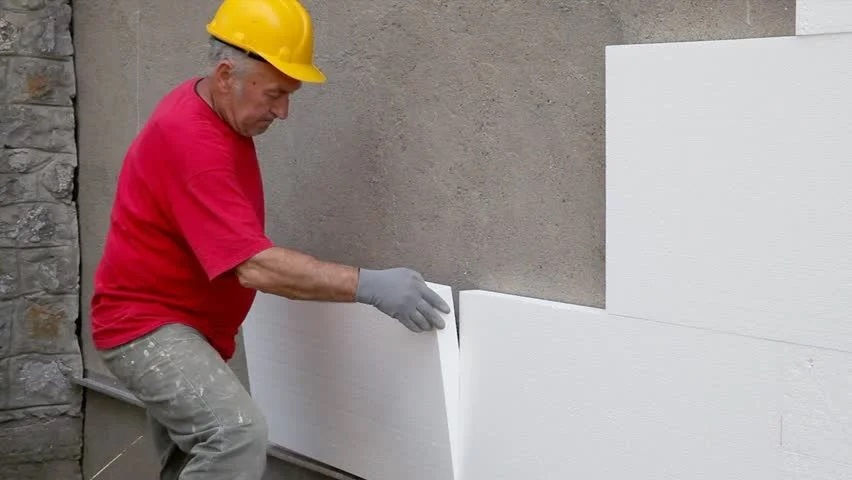
Design Needs Are Changing
People expect more from buildings than they did years ago. A home should feel comfortable in summer and winter. An office should be pleasant to work in. A commercial space needs to look good while keeping running and maintenance costs under control.
At the same time, designers are working with tighter budgets, changing construction methods, and growing interest in energy-efficient buildings.
This has created demand for materials that are:
Lightweight and easy to handle
Useful for thermal insulation
Flexible enough for different applications
Simple to cut and shape
Suitable for both new construction and renovation
Practical for projects where reducing material weight matters
These qualities help explain why polystyrene-based solutions are appearing in more design conversations.
Lightweight Can Make a Big Difference
One of the most useful features of expanded polystyrene is its low weight. This may sound like a small detail, but it can make a real difference during construction.
Heavy materials can require more effort to transport, move, cut, and install. A lightweight option can be easier for workers to handle, especially when materials need to be carried around a busy construction site or moved into difficult areas.
For designers, lower weight can also open up more possibilities. It can be useful when creating decorative shapes, insulation layers, wall features, ceiling details, or other elements where adding unnecessary weight is not ideal.
The material may be light, but that does not mean it has to look basic.
Better Comfort Behind Beautiful Spaces
Good design is not just something you see. It is something you feel.
A room that looks beautiful but becomes uncomfortably hot can quickly lose its charm. This is why insulation has become an important part of modern building design.
Expanded polystyrene is widely used for thermal insulation because its structure contains many small air pockets that help slow heat transfer. When used correctly as part of a building system, it can contribute to a more comfortable indoor environment.
That matters in everyday life. A well-insulated room can feel more pleasant, while reducing the amount of heat entering or leaving the space can also support more efficient use of heating and cooling systems.
Freedom to Think Beyond Straight Lines
Modern interiors are becoming more creative. Curved walls, feature ceilings, decorative panels, layered surfaces, and unusual shapes are no longer limited to luxury projects.
Designers often need materials that can be shaped without turning every idea into a difficult construction job. Expanded polystyrene can be cut and formed into different shapes, making it useful for certain decorative and architectural applications.
This flexibility can help bring a designer's idea closer to reality.
A simple wall can become a textured feature. A plain ceiling can gain depth. A commercial space can include custom shapes that make the interior more memorable.
The important point is that the material can sit quietly behind the design while helping create the final look.
Useful During Renovation
Renovating an existing space can be very different from starting with a completely empty building. There may be weight restrictions, limited access, existing walls, or tight working areas to consider.
Lightweight materials can make renovation work more manageable in some situations.
They can also be useful when designers want to refresh a space without completely rebuilding it. Instead of removing everything and starting again, selected areas can be upgraded with new surfaces, insulation, or decorative elements.
This can make a difference for homes, offices, shops, hotels, and other spaces where downtime needs to be kept as short as possible.
Where It Can Fit Into Modern Design
The exact application depends on the project and the building system, but polystyrene solutions can be considered for areas such as:
Wall and roof insulation
Decorative architectural features
Ceiling and interior design elements
Lightweight construction details
Certain facade systems
Renovation and improvement projects
Custom-shaped design features
Of course, choosing any building material should involve checking its intended use, fire performance, moisture conditions, local building requirements, and compatibility with other materials.

The Practical Side Matters Too
Designers can sometimes get carried away by appearance. But a material has to work in the real world.
Cost, availability, installation, durability, maintenance, and performance all matter once construction begins. This is one reason lightweight insulation materials continue to attract attention. They can offer useful performance without necessarily adding excessive bulk or weight to a design.
There is also something appealing about getting several practical benefits from one material. When a solution can support comfort while also giving designers room to experiment, it becomes easier to understand why it is being considered for modern projects.
A Material With More to Offer
The biggest change may simply be the way people look at materials.
Expanded polystyrene is no longer something that needs to be thought of only in terms of its older, familiar uses. Modern construction and design are constantly finding new ways to use lightweight materials, particularly where insulation, flexibility, and ease of handling matter.
As buildings become more focused on comfort, efficiency, and thoughtful use of materials, these solutions are likely to remain part of the conversation. For anyone interested in how buildings are becoming more energy conscious and efficient, reports such as the International Energy Agency’s work on energy efficiency in buildings offer useful wider context.
Sometimes, the materials that make the biggest difference are not the ones that immediately catch your eye. They are the ones quietly helping a space feel better, work better, and last longer.

Comments